 Illustrative photography · Unsplash
Germany’s ifo Business Climate Index rose to 90.6 in November from a revised 90.1 in October, the institute reported November 24. Both current conditions and expectations improved overall, but construction moved in the opposite direction. The release points to an uneven recovery rather than a uniform improvement across industries.
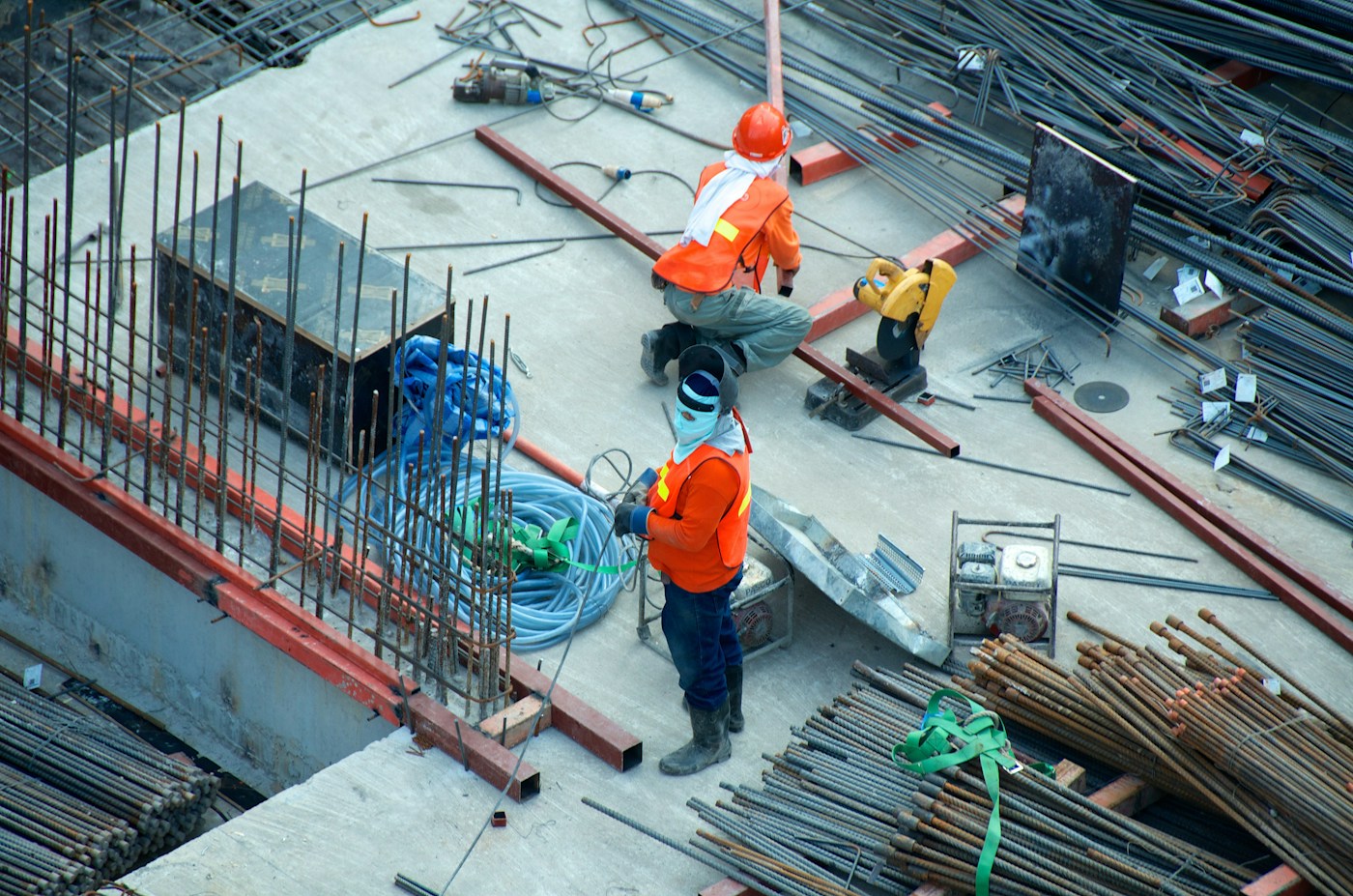
The construction business-climate balance slipped to minus 15.9 from minus 15.7. Companies judged their current situation less favorably, even as their expectations became less pessimistic. Manufacturing also weakened, while services and trade improved. Within services, ifo reported continued improvement in logistics; within trade, retail improved but wholesale deteriorated.
The survey draws on approximately 9,000 monthly business responses and asks about current conditions and expectations for the next six months. Its headline index and sector balances use different scales. A construction balance of minus 15.9 is not a 15.9% decline in building activity, property prices or sales.
Reuters reported that this was the seventh consecutive monthly rise in overall business morale and that the headline result slightly exceeded analysts’ 90.5 consensus forecast. Its reporting also noted that government spending had been the main support for Germany’s recovery so far. A stronger survey reading is a signal about the outlook, not a published fourth-quarter GDP result.
Why it matters — editorial analysis: For property investors, the most useful feature of this release is the divergence between the national headline and the construction detail. An improving economy may create a more favorable backdrop for occupiers, but it does not establish that development projects are becoming easier to finance or that buyers can afford higher prices.
A developer evaluating a new project would still need evidence about local absorption, achievable rents or sale prices, construction bids and funding terms. Stronger confidence among service companies cannot automatically offset a financing gap or make an unviable construction budget work. Those are separate tests of a project’s feasibility.
The distinction between present conditions and future expectations is particularly relevant. A business can become less pessimistic about the months ahead while still facing difficult conditions today. Treating improving expectations as cash already available for investment would bring anticipated benefits into a financial model too early.
For landlords, the sector split argues for looking closely at the actual tenant base. A portfolio exposed to manufacturers may face different leasing decisions from one serving logistics or other service businesses. Even within a broad sector, a national survey does not reveal an individual tenant’s finances, lease-renewal intentions or need for additional space.
The result also offers a useful discipline for cross-border investors: separate economic direction from property valuation. Confidence can improve without producing immediate rental growth, lower vacancies or more favorable borrowing terms. Any change to an asset’s valuation should be supported by evidence relevant to that asset, rather than by the headline indicator alone.
What to watch: Subsequent construction orders, business investment and leasing evidence will help show whether improving sentiment becomes actual activity. A broader recovery would require more than one encouraging aggregate reading. For now, the November release supports a measured assessment: optimism has improved, but the property-development implications remain mixed.
Continue reading the report